
Burning, gritty, watery, or tired eyes can make everything from working at a computer to wearing contact lenses uncomfortable. And while reaching for eye drops may provide temporary relief, persistent dry eye often requires a closer look at why your eyes are dry in the first place.
Dry eye occurs when your eyes don’t produce enough tears or when the tears they produce don’t work well enough to keep the surface of the eye properly lubricated. Symptoms can include burning, redness, a scratchy sensation, light sensitivity, and blurry or fluctuating vision.
For mild symptoms, a few changes at home may be enough to improve comfort. But when dry eye keeps returning, interferes with your daily life, or doesn’t respond to over-the-counter products, professional treatment can help address the underlying cause.
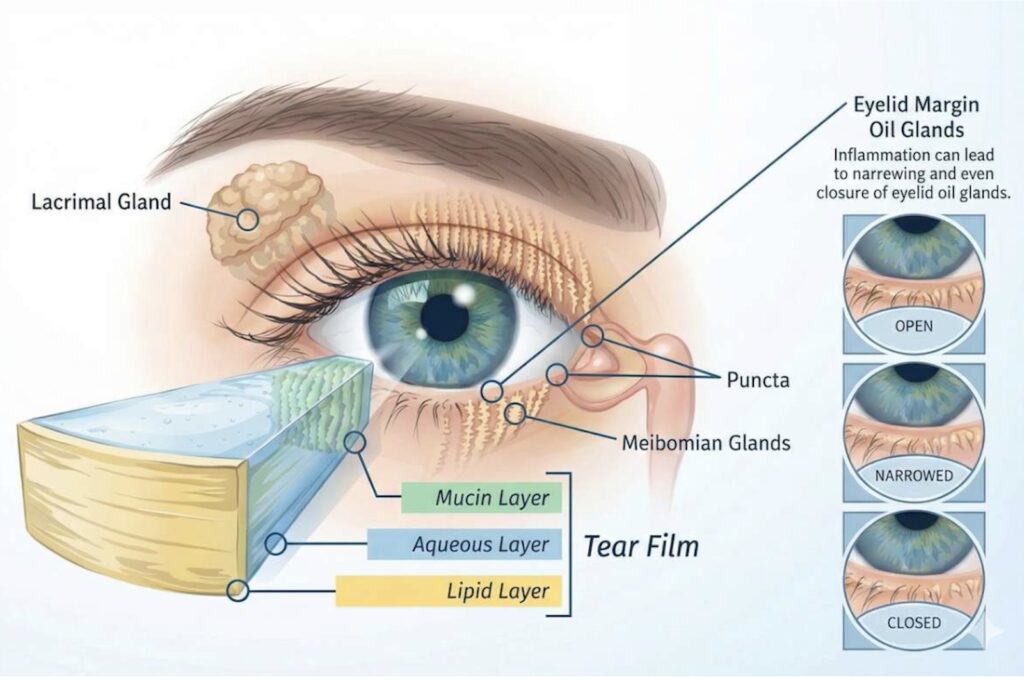
A healthy tear film involves more than simply producing enough water. Your tears need the right balance of components to remain stable on the surface of your eyes.
Dry eye can occur because you aren’t producing enough tears, because your tears evaporate too quickly, or because the tear film isn’t functioning properly.
One common contributor to evaporative dry eye is meibomian gland dysfunction (MGD). The meibomian glands along the eyelids produce oils that help prevent tears from evaporating too quickly. When these glands become blocked or don’t function properly, the tear film can become unstable.
Other factors such as prolonged screen use, contact lenses, certain medications, environmental conditions, age, and some health conditions may also contribute to dry eye symptoms.
That’s why treatment isn’t necessarily as simple as finding a stronger bottle of eye drops. The right solution depends on what’s causing your symptoms.
If your symptoms are mild or occasional, there are several ways to support your eyes and reduce irritation.
Over-the-counter artificial tears are one of the most common first treatments for mild dry eye. They supplement the tear film and can temporarily improve lubrication and comfort. Moisturizing gels and ointments are also available for some patients.
If you’re using eye drops frequently, talk with your eye doctor about which formulation is appropriate for you. Some preservatives used in artificial tears can become irritating when drops are used many times throughout the day.
Not all redness-relief drops are the same as lubricating artificial tears, so it’s important to choose a product intended for dry eye rather than simply treating redness.
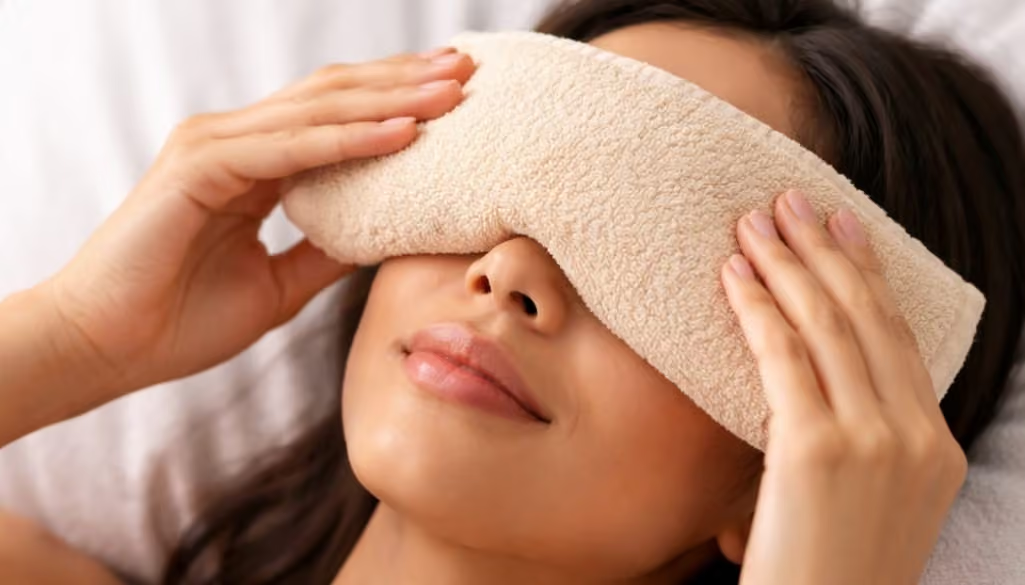
A warm compress over closed eyelids may help soften oils within the meibomian glands and support a healthier tear film. The American Academy of Ophthalmology includes warm compresses among commonly recommended approaches for managing dry eye.
The compress should be comfortably warm rather than hot. Consistency is also important, particularly if blocked or poorly functioning meibomian glands are contributing to your symptoms.
Long stretches on a computer, tablet, or phone can contribute to dry eye symptoms. Taking regular breaks gives your eyes an opportunity to blink normally and refresh the tear film.
The National Eye Institute recommends limiting screen time when possible and taking breaks from prolonged screen use as one way to reduce dry eye symptoms.
If you spend most of your workday in front of a screen, small changes to your routine can make a meaningful difference in eye comfort.
Sometimes your surroundings are working against your eyes.
Wind, smoke, air conditioning, and dry indoor air can all worsen dry eye symptoms. Using a humidifier, avoiding direct airflow toward your face, and wearing wraparound sunglasses outdoors can help protect the tear film from excessive evaporation.
Healthy eyelids are an important part of a healthy tear film.
Oil, makeup, debris, bacteria, and buildup around the eyelid margins may interfere with normal gland function. Gentle eyelid hygiene can therefore be an important part of a dry eye routine, particularly for people who also experience blepharitis or meibomian gland dysfunction. Eyelid cleaning is among the conservative measures used to manage dry eye and meibomian gland problems.
Artificial tears and lifestyle changes can be helpful, but they don’t necessarily address the underlying reason your eyes are dry.
If you find yourself constantly reaching for eye drops, struggling to wear contacts, experiencing fluctuating vision, or dealing with symptoms that continue despite home care, it’s worth having your eyes evaluated.
Dry eye can result from different problems, and those problems may require different treatments.
At Northpoint Eye Studio, our Dry Eye Center uses advanced diagnostic technology to evaluate the tear film, tear volume, lipid layer, and meibomian glands. This helps determine whether symptoms are related to insufficient tear production, excessive evaporation, gland dysfunction, or another contributing factor.
Instead of treating every case of dry eye the same way, the goal is to identify the cause and build treatment around what your eyes actually need.
Depending on your diagnosis and the severity of your symptoms, professional dry eye treatment may include prescription medications, punctal plugs, specialized eyelid care, or in-office therapies.
When over-the-counter artificial tears aren’t enough, prescription medications may be considered.
Certain prescription eye drops are designed to address components of dry eye disease, including inflammation and tear production. The appropriate medication depends on your symptoms, eye health, and the underlying cause of your dry eye.
Your eye doctor can determine whether prescription therapy should be used alone or alongside other treatments.
Your tears naturally drain through small openings near the inner corners of your eyelids.
For some patients, an eye doctor may recommend punctal plugs, which are placed into these drainage openings to help tears remain on the surface of the eye longer.
This approach may be appropriate when excessive tear drainage is contributing to dryness.
If meibomian gland dysfunction is contributing to dry eye, simply adding more moisture may not solve the underlying problem.
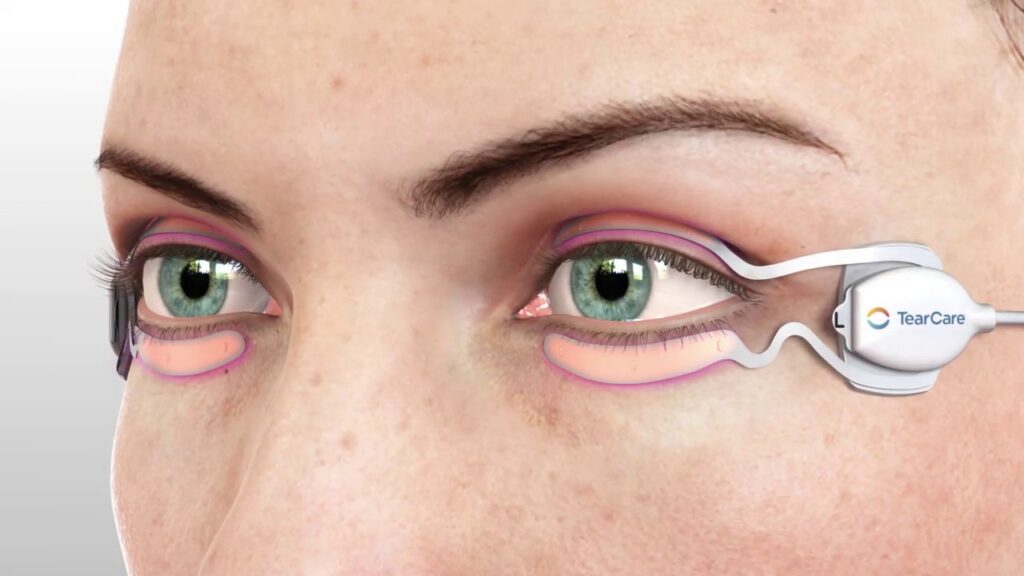
Northpoint Eye Studio offers TearCare®, a treatment designed for evaporative dry eye associated with MGD. The system applies localized heat to the eyelids while allowing natural blinking and is used with manual expression of the meibomian glands to help address gland obstruction.
Dr. Joyce Adeleke evaluates each patient’s meibomian glands to determine whether TearCare is an appropriate part of their treatment plan.
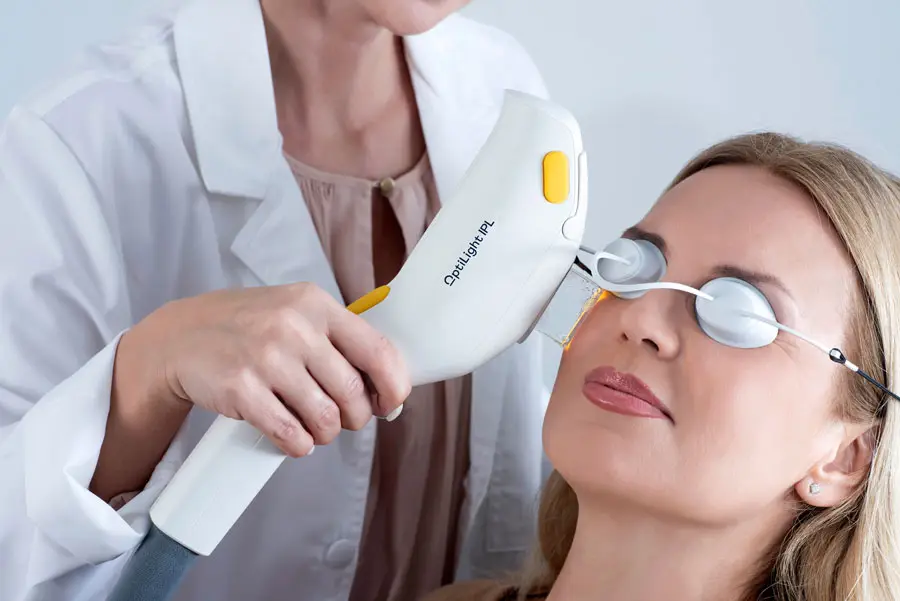
Northpoint also offers OptiLight by Lumenis, an intense pulsed light treatment for dry eye disease associated with meibomian gland dysfunction.
OptiLight uses controlled pulses of light applied to designated areas of the skin below and around the eyes. The technology received FDA authorization for improving signs of dry eye disease caused by MGD in appropriate adult patients.
For patients whose dry eye is driven by meibomian gland dysfunction and inflammation, IPL gives your eye doctor another way to address contributing factors rather than relying solely on lubricating drops.
Sometimes what’s happening along the eyelids is an important part of the problem.
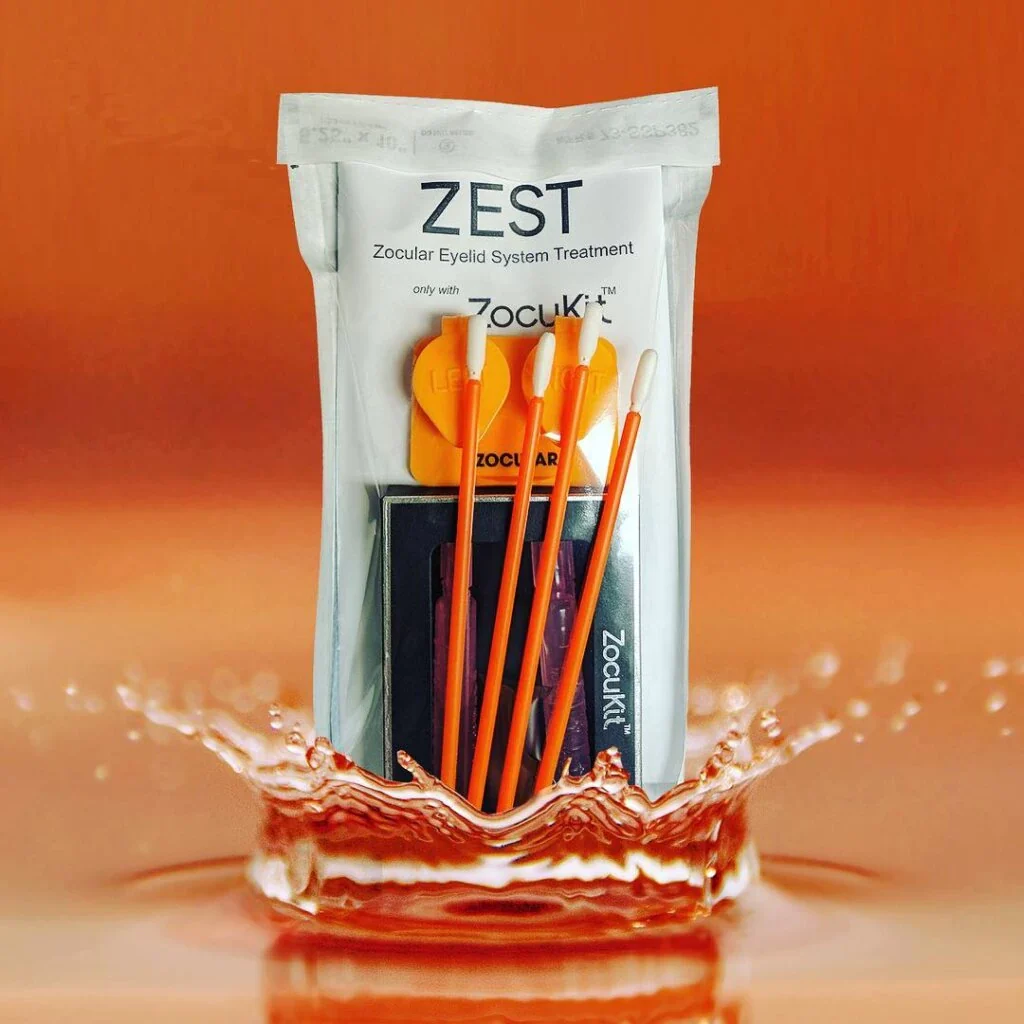
Northpoint’s ZEST eyelid treatment professionally cleans and exfoliates the eyelids and eyelashes to remove biofilm, debris, excess bacteria, and other buildup around the lid margins. Northpoint uses the treatment as part of its approach to dry eye disease and blepharitis.
Professional eyelid cleaning can be particularly useful when ordinary at-home cleansing isn’t enough to control buildup around the lashes and glands.
For some patients with more significant dry eye, specialty contact lenses may also be considered.
Unlike a traditional contact lens that rests directly over the cornea, a scleral lens vaults over it and holds a reservoir of fluid between the lens and the eye. Northpoint provides scleral lens fittings for patients with complex corneal and vision needs, including severe dry eye.
Whether scleral lenses are appropriate depends on your individual eye health and should be determined through a professional evaluation.
One of the most important parts of dry eye treatment happens before treatment begins.
An eye doctor may evaluate how much tear fluid your eyes produce, how quickly your tear film breaks up or evaporates, the condition of your eyelids, and the health of the surface of your eyes.
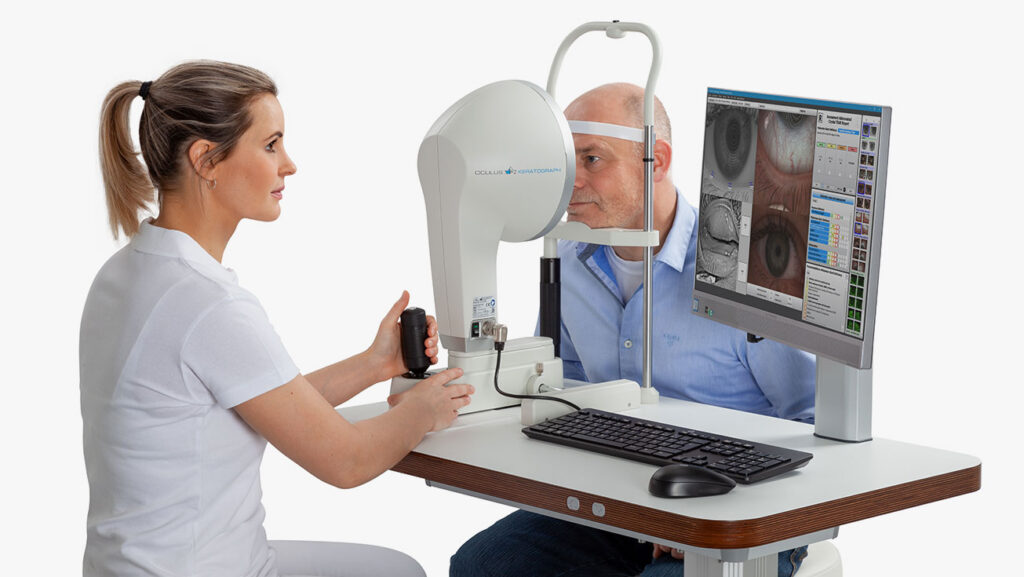
Northpoint Eye Studio uses the Oculus Keratograph 5M as part of its dry eye diagnostic process. This non-invasive technology can provide detailed information about tear volume, the lipid layer of the tear film, and the structure of the meibomian glands.
Dry eye may also be identified during a comprehensive eye exam, particularly when symptoms such as blurred vision, irritation, or discomfort are affecting your everyday life.
Occasional dryness after a long day at your computer is different from symptoms that keep returning.
Consider scheduling a dry eye evaluation if:
Sudden vision loss, severe eye pain, an eye injury, chemical exposure, or other abrupt changes should be treated differently from routine dry eye symptoms and may require prompt or emergency evaluation.
Dry eye treatment isn’t one-size-fits-all. Artificial tears and simple lifestyle changes may be all that’s needed for occasional symptoms, while chronic dry eye may require a more targeted approach.
At Northpoint Eye Studio in Concord, NC, Dr. Joyce Adeleke and the team take a personalized approach to dry eye care, using advanced diagnostics to identify what’s contributing to your symptoms and determine which treatment options make sense for your eyes. Northpoint’s Dry Eye Center currently offers options including TearCare, OptiLight IPL, ZEST eyelid cleansing, prescription therapies, and other individualized solutions.
If dry, burning, watery, or uncomfortable eyes have become part of your everyday routine, they don’t have to stay that way. Schedule a dry eye evaluation at Northpoint Eye Studio and take the first step toward more comfortable vision.